
Your Garage Door Shouldn't Sound Like That
You press the button on your garage door opener, and instead of a smooth, quiet operation, you're greeted with grinding, squealing, popping, or rattling. If your garage door has started making unusual noises, you're not alone — it's one of the most common complaints we hear from homeowners here in Haltom City.
The good news is that most garage door noises point to identifiable problems, many of which are straightforward to fix. The bad news? Ignoring them usually makes things worse — and more expensive. Let's break down the most common garage door sounds, what causes them, and what you should do about each one.
Grinding or Scraping Sounds
A grinding or scraping noise when your garage door opens or closes is one of the most unsettling sounds you can hear. It typically points to one of these issues:
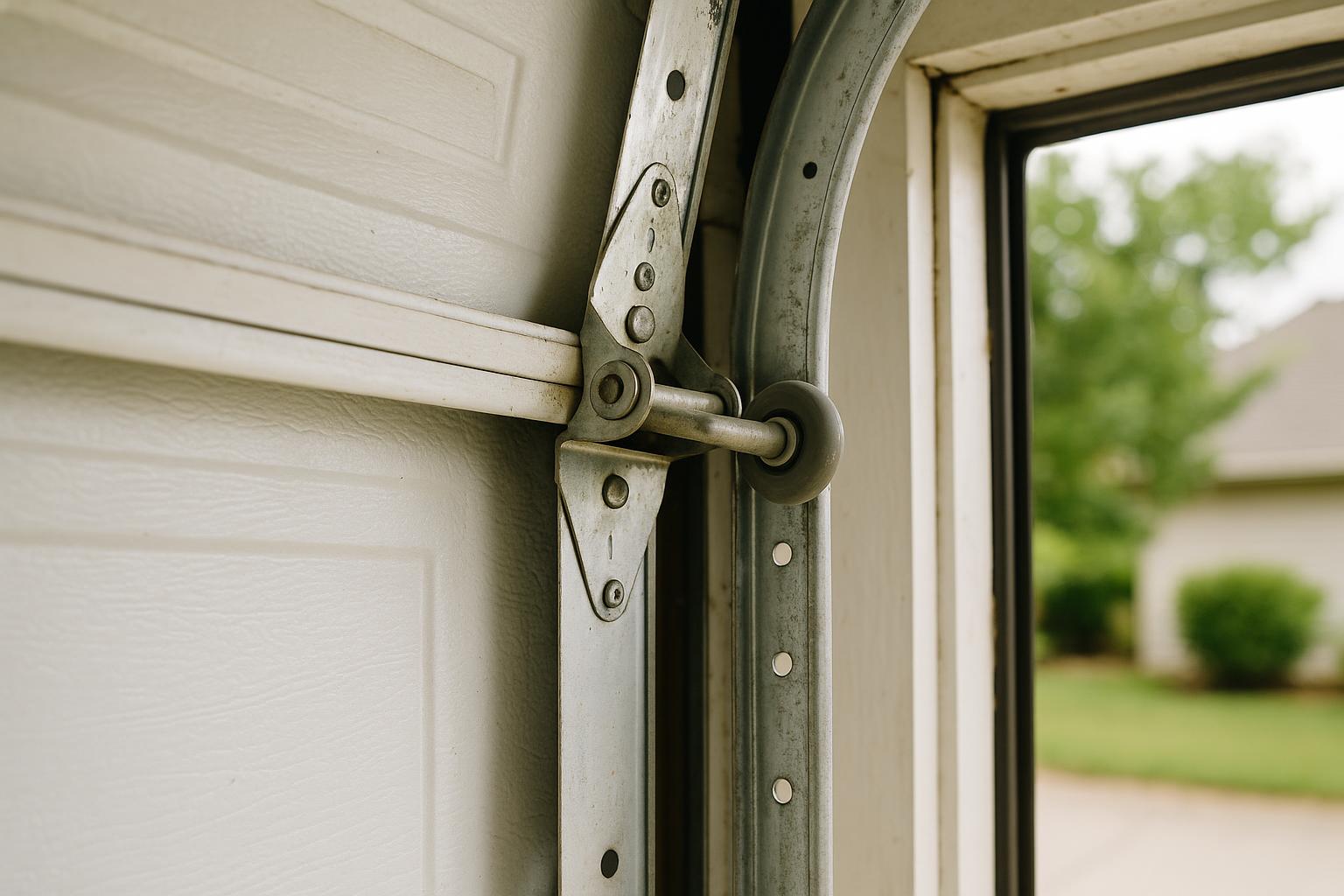
- Worn rollers: Metal rollers wear down over time and can grind against the track. Nylon rollers are quieter and last longer, and upgrading to them is a popular fix for homeowners in the Haltom City and Fort Worth area.
- Misaligned tracks: If the tracks that guide your door have shifted or become bent, the door can scrape against them as it moves. This needs to be addressed quickly because a door that jumps off its tracks is a serious safety hazard.
- Opener gear issues: If the grinding seems to come from the motor unit itself, the internal gears in your garage door opener may be stripped or worn out. This is especially common in older chain-drive openers.
If you hear grinding, stop using the door and inspect the rollers and tracks visually. If anything looks bent, cracked, or heavily worn, it's time to call a technician.
Squealing or Screeching Noises
A high-pitched squeal or screech is hard to ignore — and your neighbors in Watauga or North Richland Hills probably aren't thrilled about it either. Common causes include:
- Lack of lubrication: This is the number one cause of squealing garage doors. The hinges, rollers, springs, and bearing plates all need periodic lubrication to operate quietly. A silicone-based or lithium-based garage door lubricant works best.
- Dry or rusted torsion springs: When torsion springs lose their lubrication, they can produce a loud squealing sound with every cycle. Regular maintenance can prevent this.
- Worn weather stripping: Sometimes the rubber seal along the bottom or sides of the door dries out and creates friction against the door frame, producing a squealing sound as the door moves.
The fix is often as simple as applying the right lubricant to the moving parts. We recommend doing this every six months as part of basic garage door maintenance.
Rattling or Vibrating Sounds
Rattling is usually a sign that something has come loose. Here's what to check:
- Loose hardware: The nuts, bolts, and screws that hold your garage door system together can loosen over time due to the constant vibration of daily use. A simple tightening with a socket wrench can often solve the problem.
- Loose chain or belt: If your opener uses a chain drive, a loose chain will slap against the rail and create a rattling noise. Belt-drive openers can also develop slack over time.
- Loose opener mounting: If the opener unit itself isn't securely fastened to the ceiling, it can vibrate and rattle during operation.
Rattling might seem minor, but loose components can lead to bigger mechanical failures if left unaddressed.
Popping or Banging Sounds
A loud pop or bang during operation is startling and usually signals a more serious issue:
- Torsion spring problems: A popping sound can indicate that a spring is under uneven tension or is beginning to fail. If you hear a single loud bang when the door isn't in use, a spring may have already broken.
- Panel or section issues: Damaged or warped panels can pop as they move through the tracks, especially in the temperature swings we experience here in Tarrant County.
- Track obstructions: Small debris or a bent section of track can cause the rollers to pop as they pass over the obstruction.
Important: Never attempt to adjust or replace torsion springs yourself. These springs are under extreme tension and can cause serious injury. Always call a professional for spring-related repairs.
Humming Without Movement
If you press the button and hear the motor hum but the door doesn't move, the problem is usually with the opener rather than the door itself:
- Stripped gears: The internal gears in the opener may have worn out, so the motor runs but can't transfer power to move the door.
- Disconnected trolley: Check whether the emergency release cord has been pulled, disconnecting the door from the opener.
- Broken spring: If a torsion spring has broken, the opener motor may not have enough power to lift the door on its own. The motor will hum and strain but the door won't budge.
Running the opener when the door can't move puts excessive strain on the motor and can burn it out. If you notice this, stop trying to operate the door and have it inspected.
When to DIY and When to Call a Pro
Some noise-related fixes are safe for handy homeowners to tackle on their own:
- Applying lubricant to hinges, rollers, springs, and tracks
- Tightening loose nuts and bolts on the door and track brackets
- Clearing debris from the tracks
However, you should always call a professional for:
- Spring adjustment or replacement
- Track realignment
- Opener motor or gear repair
- Any situation where the door seems unstable or off-track
At Haltom City Garage Door, we handle all of these repairs for homeowners and businesses across Haltom City, Saginaw, Richland Hills, and the surrounding communities. We've seen — and heard — it all, and we can quickly diagnose what's causing your noisy garage door and get it running quietly again.
Don't Ignore the Warning Signs
Your garage door is the largest moving part of your home, and unusual noises are its way of telling you something needs attention. Catching a small problem early — a dry hinge, a loose bolt, a worn roller — can save you from a much larger and more expensive repair down the road.
If your garage door has started making sounds that don't seem right, give us a call. We'll come out, diagnose the issue, and give you an honest recommendation on the best way to fix it. Quiet, smooth, reliable operation — that's what your garage door should deliver every single day.