
Your Garage Door Might Be Your Home's Weakest Link
Most homeowners in Haltom City think about their front door locks, window latches, and maybe a security camera when it comes to protecting their home. But there's one entry point that often gets overlooked — the garage door. It's the largest moving part of your house, and if it's outdated, poorly maintained, or improperly secured, it can be an open invitation to intruders.
According to the FBI's crime statistics, a significant percentage of home break-ins happen through the garage. Whether it's an old opener with outdated technology, a door that doesn't close all the way, or a manual lock that's been neglected for years, there are several ways your garage door could be putting your family and belongings at risk.
Here's how to evaluate whether your garage door is a security vulnerability — and what you can do about it.
1. Your Garage Door Opener Uses Fixed Codes
If your garage door opener is more than 15 to 20 years old, there's a good chance it uses fixed-code technology. This means the remote sends the same radio signal every time you press the button. The problem? Thieves can use inexpensive devices to intercept and copy that signal, giving them easy access to your garage whenever they want.
Modern garage door openers use rolling code technology, which generates a new, unique code every time the remote is activated. Once a code is used, it's discarded and never works again. If your opener still runs on fixed codes, upgrading to a new opener is one of the most impactful security improvements you can make.
2. The Emergency Release Can Be Exploited
Every garage door has an emergency release cord — that red handle hanging from the track inside the garage. It's designed to let you manually open the door during a power outage. Unfortunately, burglars know about it too.
With a simple coat hanger or thin tool slipped through the top of the door, an intruder can hook the emergency release and disengage the opener, allowing them to lift the door by hand in seconds. This is especially easy on older doors with gaps at the top or flexible weather sealing.
Here's what you can do to reduce this risk:
- Install an emergency release shield — a simple plastic guard that blocks access to the cord from outside.
- Use a zip tie on the release lever — this adds just enough resistance to prevent a coat hanger attack while still allowing you to pull the cord with force in a real emergency.
- Make sure your door seals tightly at the top so there's no gap for tools to slide through.
3. Your Door Doesn't Close Completely
A garage door that stops an inch or two above the ground might not seem like a big deal, but it creates problems beyond drafts and pests. That gap can signal to would-be intruders that the door isn't functioning properly — and a malfunctioning door is easier to force open.
Common causes of an incomplete close include misaligned safety sensors, worn-out weather stripping, or limit switch settings that need adjustment. If your door has been leaving a gap at the bottom, it's worth having it inspected. In many cases, it's a straightforward fix that restores both security and energy efficiency.
4. You Don't Have an Auto-Close or Smart Opener
We've all done it — pulled out of the driveway and suddenly wondered, did I close the garage door? Leaving your garage door open, even for a short time, is one of the most common ways homes are burglarized. It happens more often than you'd think, especially in neighborhoods across Haltom City and the surrounding Tarrant County area where daily routines can become second nature.
Newer garage door openers offer features specifically designed to prevent this:
- Auto-close timers that automatically shut the door after a set period of inactivity.
- Smartphone connectivity that lets you check the door's status and close it remotely from anywhere.
- Real-time alerts that notify you if the door has been left open beyond a certain time.
These smart features aren't just convenient — they're a genuine layer of home security that can give you peace of mind whether you're at work in Fort Worth or running errands in North Richland Hills.
5. The Door Itself Is Flimsy or Damaged
Not all garage doors are built the same. Single-layer steel doors, older aluminum doors, and doors with cracked or rotting panels are much easier to force open than modern insulated steel or reinforced doors. If your door flexes when you push on it, has visible damage, or feels lightweight and hollow, it may not provide much resistance against a determined intruder.
Upgrading to a double-layer or triple-layer insulated steel door dramatically improves both security and durability. These doors are heavier, more rigid, and far more difficult to breach. As a bonus, they also improve your garage's insulation, which matters during both the hot Texas summers and the occasional cold snaps we get here in Haltom City.
6. You Never Lock the Door Between Your Garage and House
This one isn't about the garage door itself, but it's critical. Many homeowners treat the interior door from the garage to the house as if it's an interior door — no deadbolt, no reinforcement, sometimes not even locked. If someone gains access to your garage, that flimsy interior door is the only thing standing between them and the rest of your home.
Make sure the door between your garage and living space has:
- A solid-core door (not a hollow interior door)
- A quality deadbolt lock
- Reinforced hinges and strike plates
Think of it as your second line of defense.
7. Your Garage Door Has Windows Without Protection
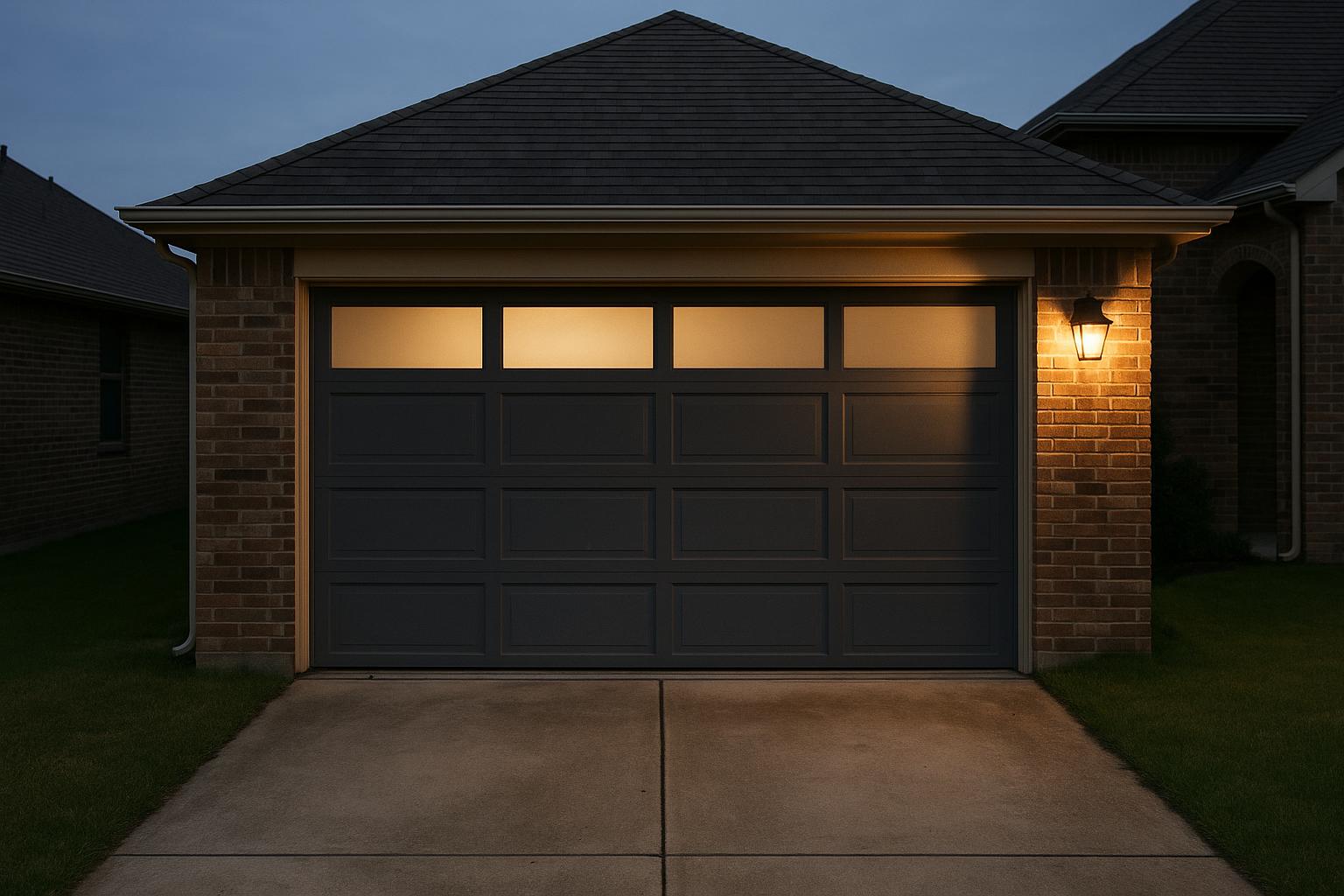
Garage door windows add curb appeal and natural light, but they also let people see inside your garage. If you store tools, bikes, vehicles, or other valuables in your garage, those windows are essentially a display case for thieves scoping out targets.
Consider adding frosted or tinted window inserts that let light in while blocking the view. This is a simple and affordable upgrade that maintains the look of your door without compromising your privacy or security.
Take Action Before There's a Problem
Garage door security isn't something most people think about until something goes wrong. But taking a few proactive steps — upgrading an outdated opener, fixing a door that doesn't close properly, or adding smart features — can make a real difference in protecting your home.
If you're not sure where your garage door stands from a security perspective, we're happy to help. At Haltom City Garage Door, we work with homeowners across Haltom City, Watauga, Saginaw, and the surrounding areas to make sure their garage doors are safe, secure, and functioning the way they should. Whether you need a simple adjustment or a full opener upgrade, give us a call and we'll help you figure out the right solution.